The Conditions
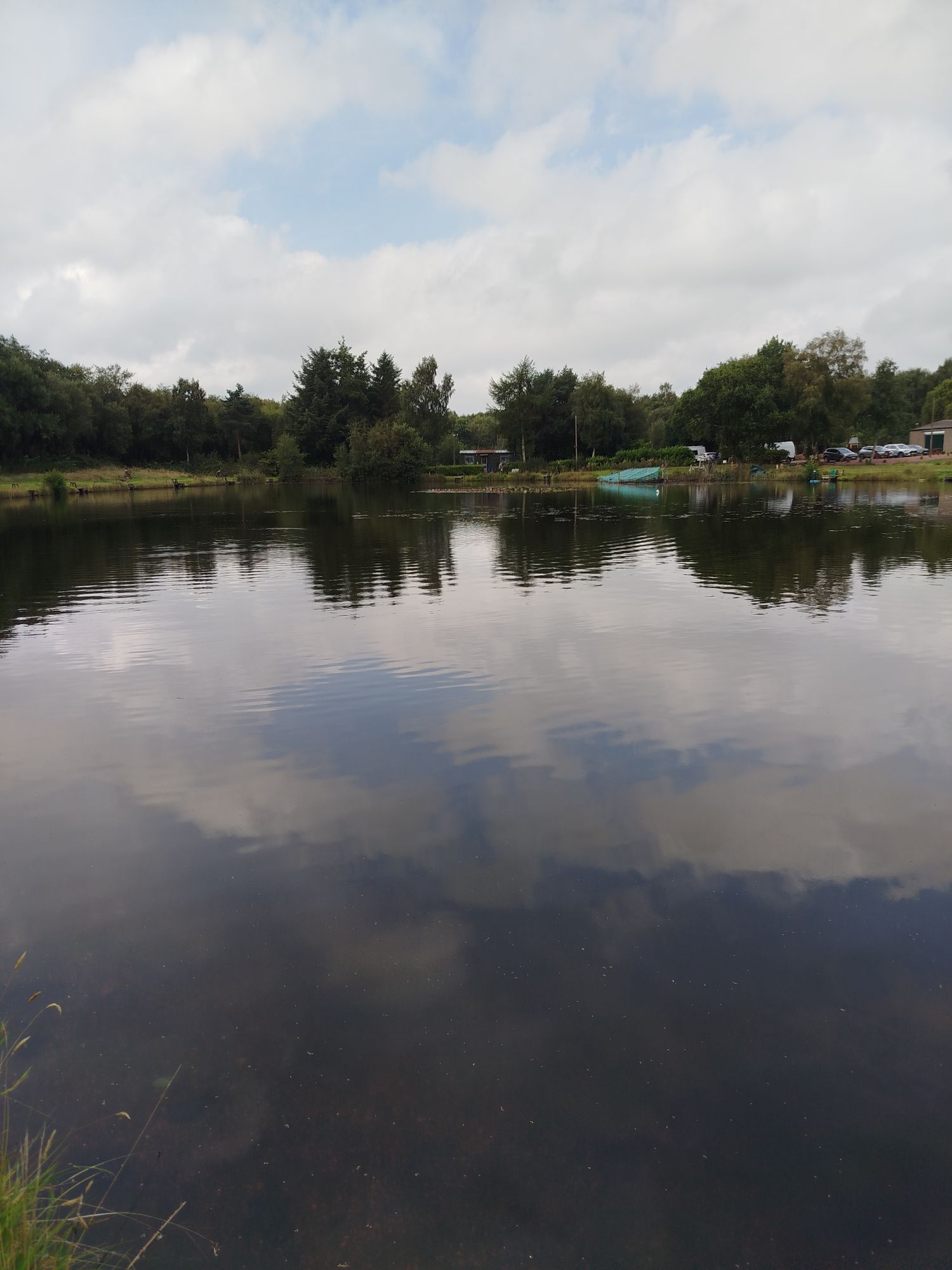
There’s something about arriving at Allandale Tarn under a soft overcast sky that always feels promising, and this visit on 27 August 2026 had all the makings of a good morning’s fishing. With a light wind pushing across the water and conditions looking settled, it felt like the sort of day where a carefully worked floating line could bring a few fish to the net. Recent reports had suggested the tarn was not fishing easily, so I knew it might take a bit of patience and the right fly to unlock the session.
| Category | Details |
| Location | Allandale Tarn Fisheries |
| Date | 27 August 2026 |
| Time | 9:00am–12:00pm |
| Weather | Light wind, overcast |
| Water Conditions | Good |
| Best Fly | Nothing Fly |
| Fish Landed | 3 rainbow trout |
| Fish Lost | 2 |
Flies and Approach
The approach used was a three-fly cast presented on a floating line. A Daddy pattern was positioned on the point, with a Yellow Owl and Nothing Fly fished on the droppers. Additional patterns trialled during the session included a Cormorant. Flies were used in sizes 12, 14 and 16.
Tactical changes were limited during the session, with the main adjustments involving changes of fly pattern. The floating-line presentation proved suitable for the conditions and allowed the team of flies to cover the productive water effectively.
Daddy long legs Pattern: Tying Materials, Seasons and Tactics
Cormorant Fly Pattern: Tying Materials, Seasons and Tactics
How the Session Fished
A total of three rainbow trout were brought to the net, with a further two fish lost during play. The fish landed were estimated to be between 2 lb and 3.5 lb. The condition of the fish was excellent, reflecting the quality of management at the small stillwater venue.


What Worked Best
The floating line and Nothing Fly proved the most effective elements of the approach. The Daddy pattern also attracted some interest, although the Nothing Fly appeared to be the stronger option on the day. Fish movement occurred in distinct spells, with active periods followed by quieter intervals when little was showing. No major changes would be made to the approach on a future visit, as the method used was appropriate for the conditions encountered.
Final Thoughts
Overall, the session was productive despite challenging recent form at the venue. The final return of three fish landed and two lost represented a successful outcome, with the Nothing Fly proving the most reliable pattern.
